
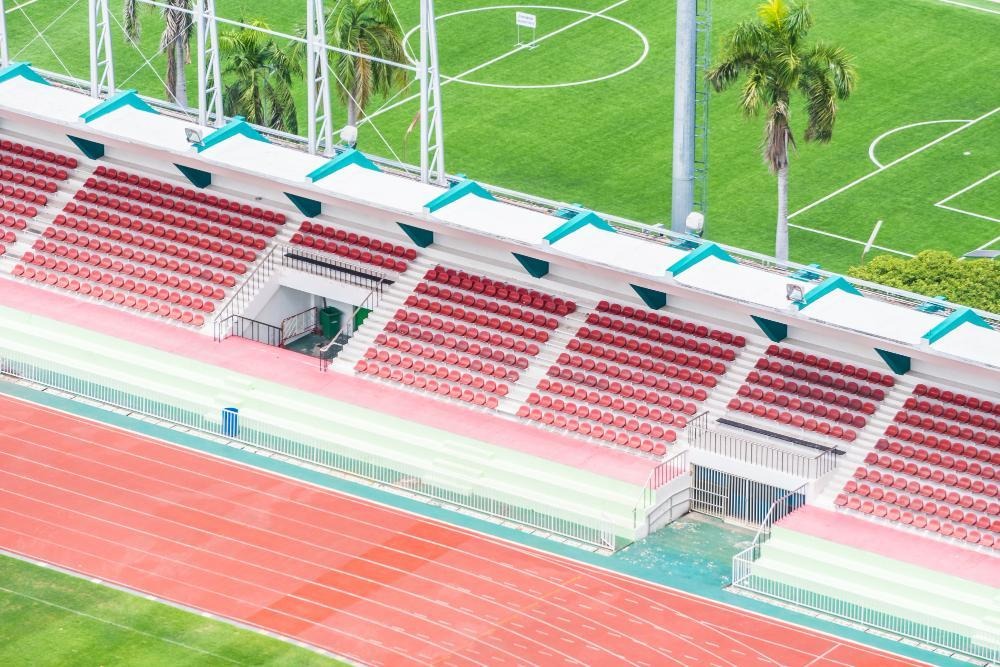
Modern sports venues are transforming from traditional playing spaces into advanced entertainment destinations that combine technology, sustainability, safety, and enhanced fan experiences. Stadiums are no longer designed solely to host sporting events; they now serve as connected ecosystems that support digital engagement, commercial activities, and community experiences. The growing demand for smarter, more efficient venues has encouraged stakeholders to adopt innovative infrastructure solutions that improve operations and create memorable experiences for visitors.
The rise of smart stadium solution providers reflects the increasing need for integrated technologies that support intelligent venue management. From automated operations and advanced security systems to digital ticketing and data-driven insights, modern stadium solutions help organisations create efficient, connected, and future-ready environments that meet evolving expectations of fans, teams, and event organisers.
Advancing Venue Development Through Innovation
Modern stadium development focuses on combining technology, efficiency, and visitor experience to create venues that support long-term operational and commercial success.
- Intelligent Systems Improve Stadium Operations
Technology has become a key element in improving how stadiums are managed before, during, and after events. Advanced monitoring systems, automated controls, and integrated management platforms allow operators to oversee various functions from a centralised environment. These technologies improve operational efficiency by supporting better resource management, reducing delays, and enabling faster responses to changing requirements. Intelligent systems also help stadium operators analyse performance data, optimise workflows, and create smoother experiences for visitors, staff, and event organisers.
- Enhanced Fan Experiences Drive Modernisation
Fan expectations have significantly changed, with visitors seeking more interactive and personalised experiences beyond the sporting event itself. Modern venues incorporate digital services such as mobile applications, cashless payments, smart seating solutions, and real-time event information to improve convenience. These innovations allow fans to engage more effectively while creating stronger connections between audiences and venues. By focusing on comfort, accessibility, and digital interaction, stadiums can deliver experiences that encourage repeat visits and greater audience satisfaction.
- Sustainable Infrastructure Supports Future Growth
Sustainability has become an important consideration in stadium development as organisations focus on reducing environmental impact. Energy-efficient lighting, renewable energy solutions, water conservation systems, and responsible waste management practices help create environmentally conscious venues. Sustainable infrastructure not only supports environmental goals but also improves operational efficiency by reducing long-term resource consumption. Stadiums designed with sustainability in mind are better positioned to meet future requirements while demonstrating responsible development practices.
- Advanced Security Creates Safer Environments
Safety remains a major priority for stadium operators managing large crowds during events. Modern infrastructure incorporates advanced surveillance systems, intelligent access controls, emergency management technologies, and crowd monitoring solutions to improve security. These systems enable faster identification of potential risks while supporting better coordination among security teams. Enhanced safety measures provide visitors with greater confidence and contribute to smoother event operations, creating more secure environments for fans, athletes, and staff.
Digital Transformation Shaping Stadium Experiences
Technology-driven solutions are redefining stadium operations by improving connectivity, efficiency, and engagement across every aspect of venue management.
- Smart Stadium Solution Providers Supporting Connected Venues
The increasing adoption of digital infrastructure has created demand for smart stadium solution providers that deliver integrated technologies designed for modern venues. These providers help organisations implement connected systems that improve communication, automation, security, and operational visibility. From intelligent lighting and energy management to digital fan engagement platforms, smart solutions enable stadiums to operate more efficiently while enhancing the visitor experience. By combining multiple technologies into unified systems, these solutions support the development of stadiums that are adaptable, scalable, and prepared for future demands.
- Digital Connectivity Enhances Visitor Interaction
Connectivity plays an important role in creating seamless experiences inside modern stadiums. High-speed networks, mobile applications, digital signage, and interactive platforms allow visitors to access information quickly and conveniently. Connected environments enable real-time communication, personalised services, and improved navigation throughout venues. These technologies also help operators understand visitor preferences and improve service delivery. Strong digital connectivity creates a more engaging atmosphere while supporting better coordination between fans, event organisers, and stadium management teams.
- Automated Management Improves Efficiency
Automation allows stadiums to manage essential operations with greater accuracy and consistency. Automated systems can control lighting, temperature, security monitoring, ticket verification, and facility management processes. These technologies reduce manual workload while improving reliability across different operational areas. Automated management also enables stadium operators to respond quickly to changing conditions, improving efficiency during both regular operations and large-scale events. By reducing complexity, automation supports smoother venue management and better resource utilisation.
- Commercial Opportunities Expand Through Technology
Modern stadium technology creates new opportunities for revenue generation and business growth. Digital platforms enable targeted advertising, personalised promotions, premium services, and improved customer engagement strategies. Data insights help organisations understand audience behaviour and create experiences that encourage stronger participation. Technology-driven commercial solutions allow stadiums to expand beyond event-based income by developing additional services and partnerships. This transformation supports long-term financial sustainability while enhancing value for visitors and stakeholders.
Building Sustainable Sports Infrastructure Models
Modern sports venues rely on smart planning and collaboration to support long-term performance and visitor satisfaction.
- Integrated Planning – Aligning technology, construction, and operations improves project efficiency and future readiness.
- Strong Collaboration – Coordinated efforts between stakeholders enable smoother execution and better infrastructure outcomes.
- Operational Efficiency – Proactive maintenance and smart systems help reduce costs and maintain consistent performance.
- Community-Focused Design – Multi-purpose venues increase usability and deliver greater long-term value.
Combining strategic planning, collaboration, and efficient operations helps create sustainable sports venues that deliver lasting value and improved experiences for both organisers and visitors.
Conclusion
The future of stadium development depends on advanced technology, sustainable infrastructure, and innovative planning strategies that improve both operational efficiency and visitor experiences. As demand for connected and intelligent venues continues to grow, stadium infrastructure companies play an important role in delivering solutions that support modern sports facilities. Their expertise in construction, technology integration, and infrastructure development helps create venues that are safer, smarter, and more adaptable to future requirements.
Industry events and knowledge-sharing platforms play an important role in connecting professionals, encouraging collaboration, and highlighting emerging trends in stadium innovation and infrastructure development. The Smart Stadiums & Sports Infra Summit brings together industry professionals, technology experts, and infrastructure leaders to explore innovations shaping the future of sports venues. Through knowledge sharing, industry discussions, and insights into emerging solutions, the summit highlights the importance of smart infrastructure, digital transformation, and sustainable development in creating next-generation stadium experiences. By connecting key stakeholders, it supports collaboration and encourages advancements that redefine the future of sports infrastructure.