
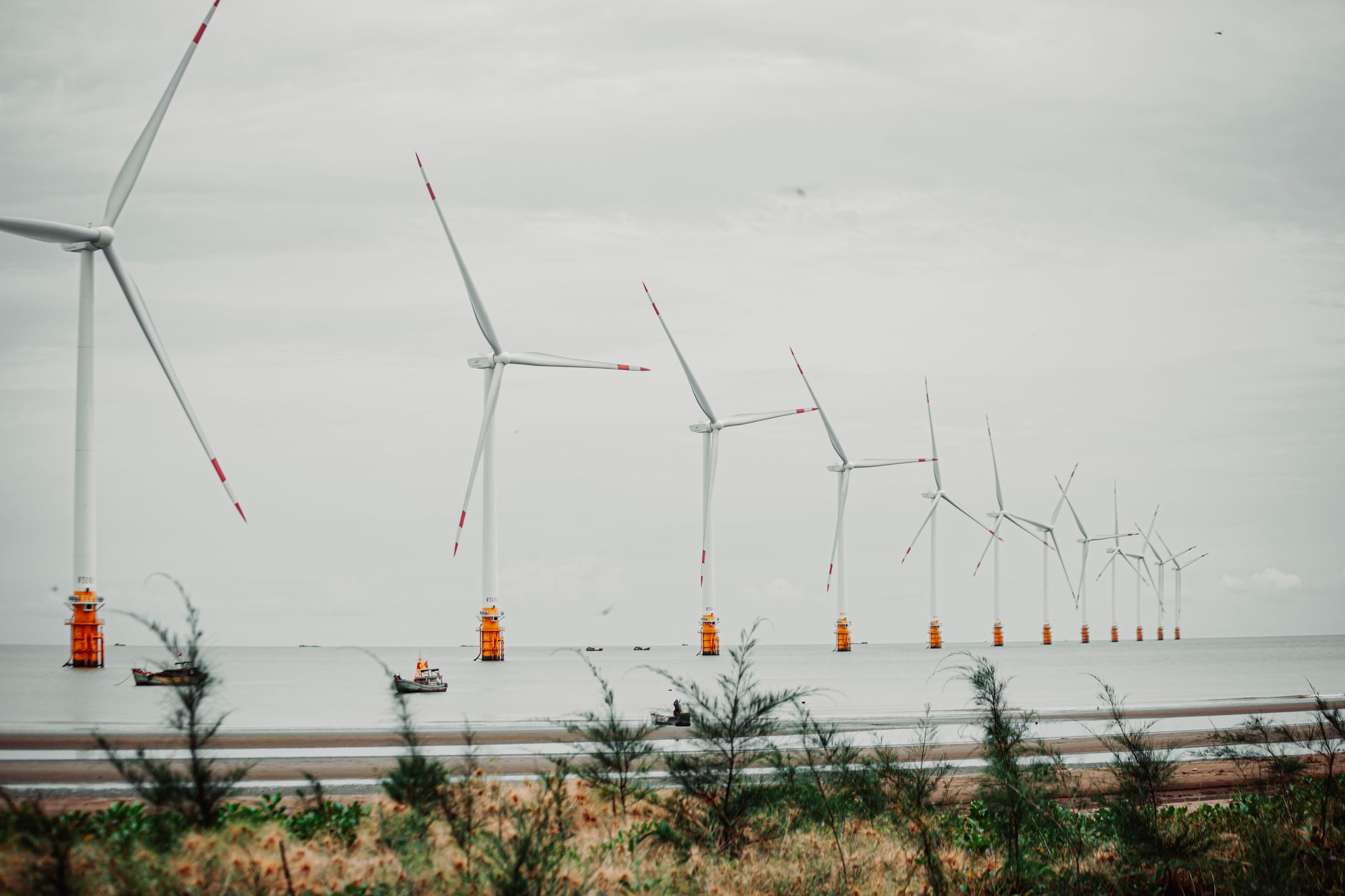
Offshore wind model failure is a pressing issue as South Korea recently admitted its approach was unsuccessful. This raises questions about India’s continued reliance on the same model.
Understanding Offshore Wind Models
Offshore wind models are crucial for predicting the feasibility and efficiency of wind energy projects. These models utilize a variety of data points to simulate wind patterns, energy output, and potential environmental impacts. However, the recent admission by South Korea regarding its offshore wind model failure raises significant concerns about the reliability of such predictions.
Understanding how these models operate is essential to grasp the implications of their failure. Typically, they rely on:
- Meteorological data: This includes historical weather patterns and wind speed measurements.
- Geographical information: The topography and seabed conditions can greatly affect wind flow and turbine placement.
- Technological advancements: Newer turbine designs and materials can change efficiency outcomes.
Unfortunately, the failure of South Korea’s offshore wind model highlights potential flaws in these methodologies. Many projects worldwide, like those in India, are still based on similar models, raising questions about their accuracy and long-term viability. If the predictive capabilities of these models are compromised, the repercussions could extend beyond just financial losses. They could also impact energy sustainability efforts and climate goals.
The Impact of South Korea’s Admission
The recent admission by South Korea regarding its offshore wind model failure has raised significant concerns within the renewable energy sector. As the country acknowledges the shortcomings of its approach, experts are analyzing the potential ramifications for both domestic and international markets.
One of the most pressing impacts is the erosion of public trust in renewable energy initiatives. Many stakeholders had invested considerable resources based on the assumption that South Korea’s model was a benchmark for success. Now, with the revelation of its failure, skepticism may arise, potentially stalling future investments.
Additionally, South Korea’s situation may serve as a cautionary tale for other nations, particularly those like India that are still relying on similar offshore wind models. The implications could lead to:
- Increased scrutiny of existing offshore wind projects, prompting a reevaluation of methodologies.
- Policy shifts aimed at enhancing transparency and accountability in renewable energy planning.
- Collaborative efforts among countries to share best practices and avoid similar offshore wind model failures.
Ultimately, this admission is not just a local issue; it has the potential to influence global conversations about the future of offshore wind energy.
India’s Energy Strategy
India’s energy strategy has been under scrutiny as the country looks to expand its renewable energy portfolio, particularly in offshore wind. While many nations are re-evaluating their approaches, India appears to be continuing with a model that has faced criticism elsewhere.
Despite the growing concerns over the offshore wind model failure highlighted by South Korea, India’s government remains optimistic about its offshore wind potential. The country has set ambitious targets to increase its renewable energy capacity to 450 gigawatts by 2030, with offshore wind playing a crucial role.
However, experts warn that India could face similar challenges if it does not adapt its strategies based on lessons learned from South Korea’s admission. Key issues include:
- Environmental assessments: Inadequate evaluations can lead to unforeseen ecological impacts.
- Infrastructure limitations: The need for robust infrastructure to support offshore installations is critical.
- Investment challenges: Attracting sufficient investment while ensuring profitability remains a hurdle.
As India forges ahead, the focus must be on innovative solutions and learning from international experiences to avoid repeating the mistakes of others.
Lessons from Failed Models
The recent admission by South Korea regarding its offshore wind model failure has raised critical questions about the robustness of similar models used globally. As nations strive to transition towards renewable energy sources, understanding the lessons from such failures becomes paramount.
One significant lesson is the importance of adapting models to local environmental conditions. South Korea’s approach did not adequately consider the unique maritime climate and geological factors that can significantly affect wind energy production. This oversight has led to inefficiencies and financial losses, highlighting the necessity for tailored solutions in offshore wind development.
Another takeaway is the need for rigorous testing and validation of models before implementation. Relying on theoretical assumptions can result in disastrous outcomes, as seen in South Korea. Continuous monitoring and data collection are essential to ensure models reflect real-world conditions, enabling timely adjustments as needed.
Furthermore, collaboration among countries facing similar challenges can foster innovation and improve practices. Sharing insights and strategies could help prevent future offshore wind model failures, as seen in the differing approaches between South Korea and India. By learning from past mistakes, nations can better navigate the complexities of offshore wind energy and achieve their renewable energy targets.
Future of Offshore Wind Energy
The future of offshore wind energy remains uncertain in the wake of the recent admission regarding South Korea’s offshore wind model failure. As countries strive to transition to renewable energy sources, the challenges highlighted by South Korea could serve as crucial learning points for others, including India, which has yet to reevaluate its approach.
Experts emphasize that the downfall of South Korea’s model raises significant questions about the viability of existing offshore wind projects worldwide. The key issues identified include:
- Inadequate Site Assessments: Poor initial evaluations can lead to unsuitable locations for wind farms.
- Regulatory Hurdles: Complex permitting processes may delay projects and increase costs.
- Technological Limitations: The reliance on outdated technology can hinder efficiency and output.
- Investment Challenges: Fluctuating financial support could deter potential investors.
To adapt, nations must innovate and implement more resilient models. With South Korea’s experience as a cautionary tale, other countries have the opportunity to avoid similar pitfalls. As the demand for clean energy grows, the future of offshore wind energy will depend on learning from past mistakes and fostering a more adaptable and robust framework for development.
Global Trends in Renewable Energy
The global energy landscape is undergoing a significant transformation as countries pivot towards renewable sources to combat climate change. However, the recent offshore wind model failure in South Korea raises critical questions about the viability of similar strategies worldwide.
Several countries are investing heavily in offshore wind energy, viewing it as a solution to meet rising energy demands while reducing carbon footprints. Key trends include:
- Increased Investment: Nations such as the United States and Germany are ramping up investments in offshore wind projects, motivated by technological advancements and favorable policies.
- Technological Innovation: Innovations in turbine design and installation methods have made offshore wind more feasible, yet the South Korean experience highlights that not all models are created equal.
- Regulatory Challenges: As countries adopt offshore wind models, regulatory frameworks often lag behind technological advancements, leading to potential failures.
South Korea’s admission of its offshore wind model failure serves as a cautionary tale for other nations, including India, which has yet to reassess its own strategies. As countries pursue aggressive renewable energy goals, learning from these challenges will be essential to ensuring a sustainable and successful transition to offshore wind energy.
The recent offshore wind model failure in South Korea has raised significant concerns among environmentalists and industry experts alike. As the debate continues, many are questioning whether this offshore wind model failure is indicative of deeper issues within the country’s energy policy.
Photo by Phong Võ on Pexels